Products
Development of specific codes for Marine and Aerospace industries
Marine Propeller
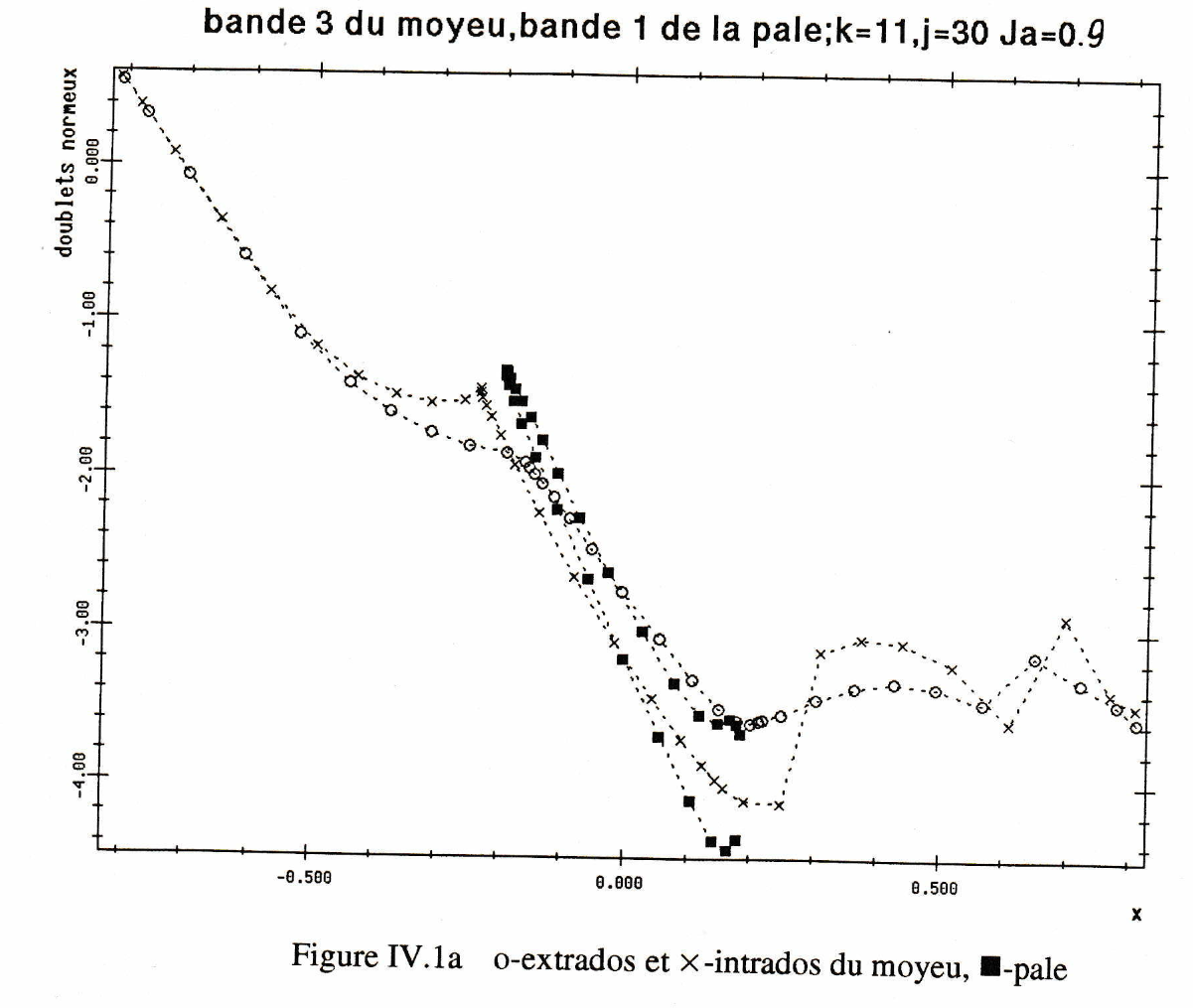
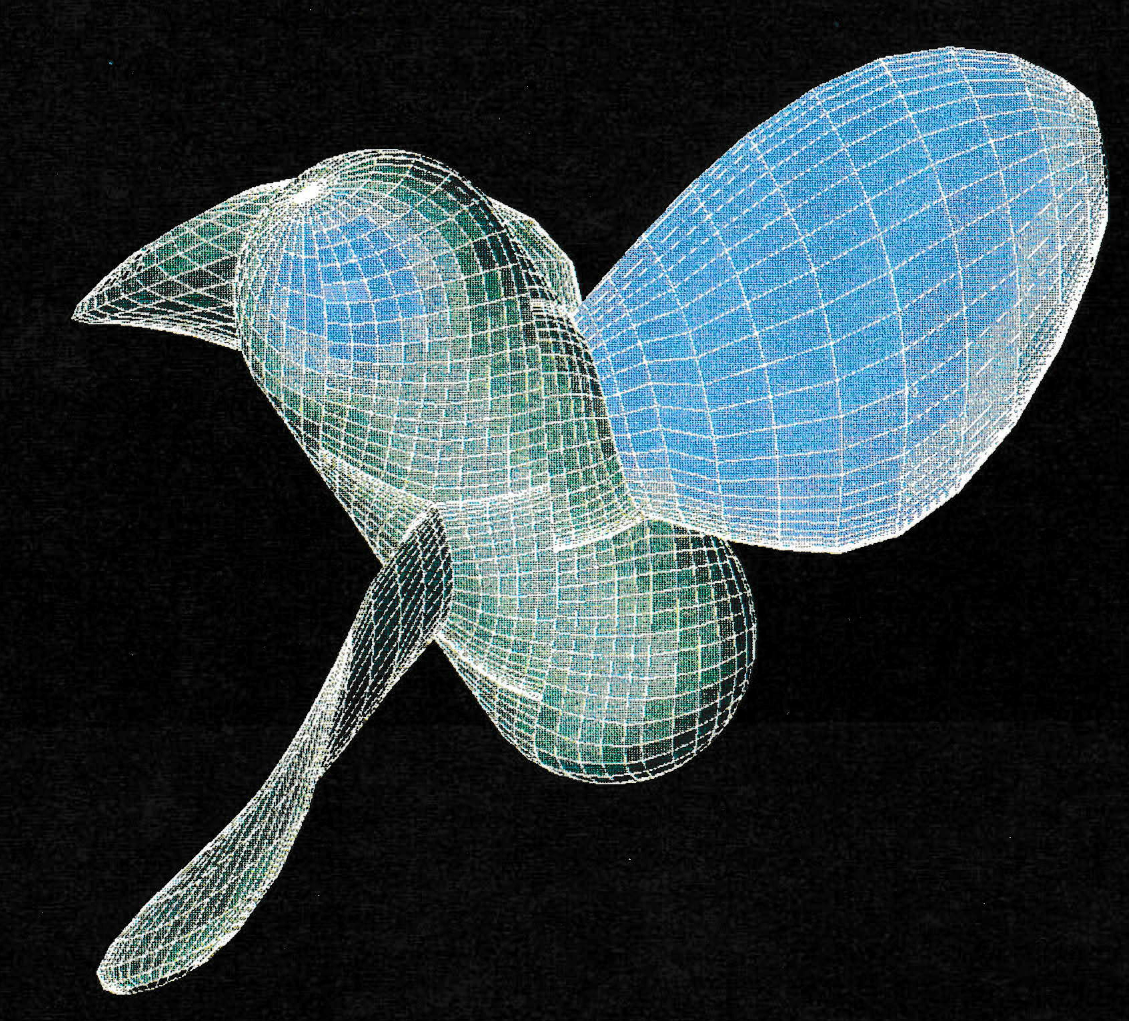
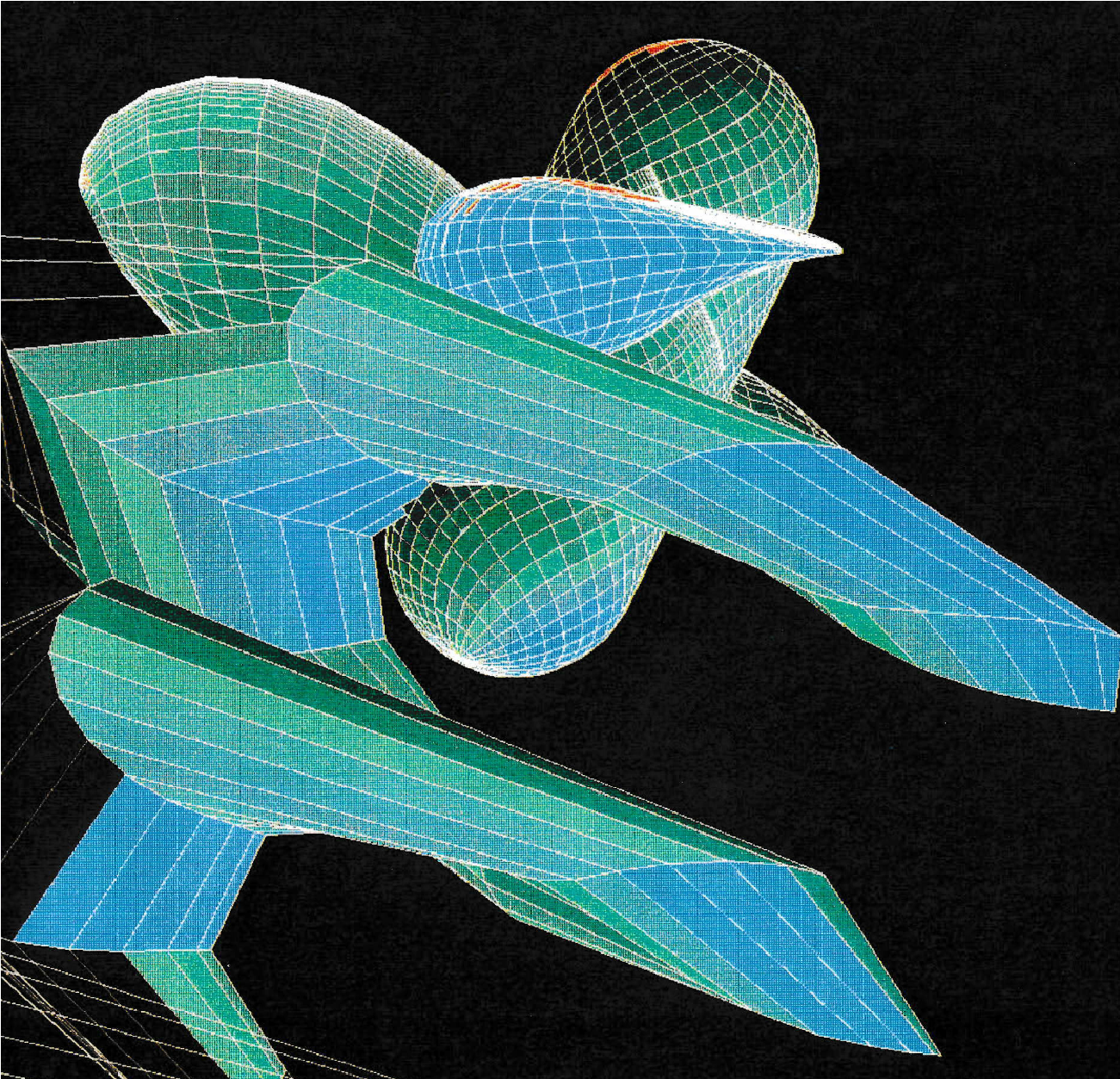
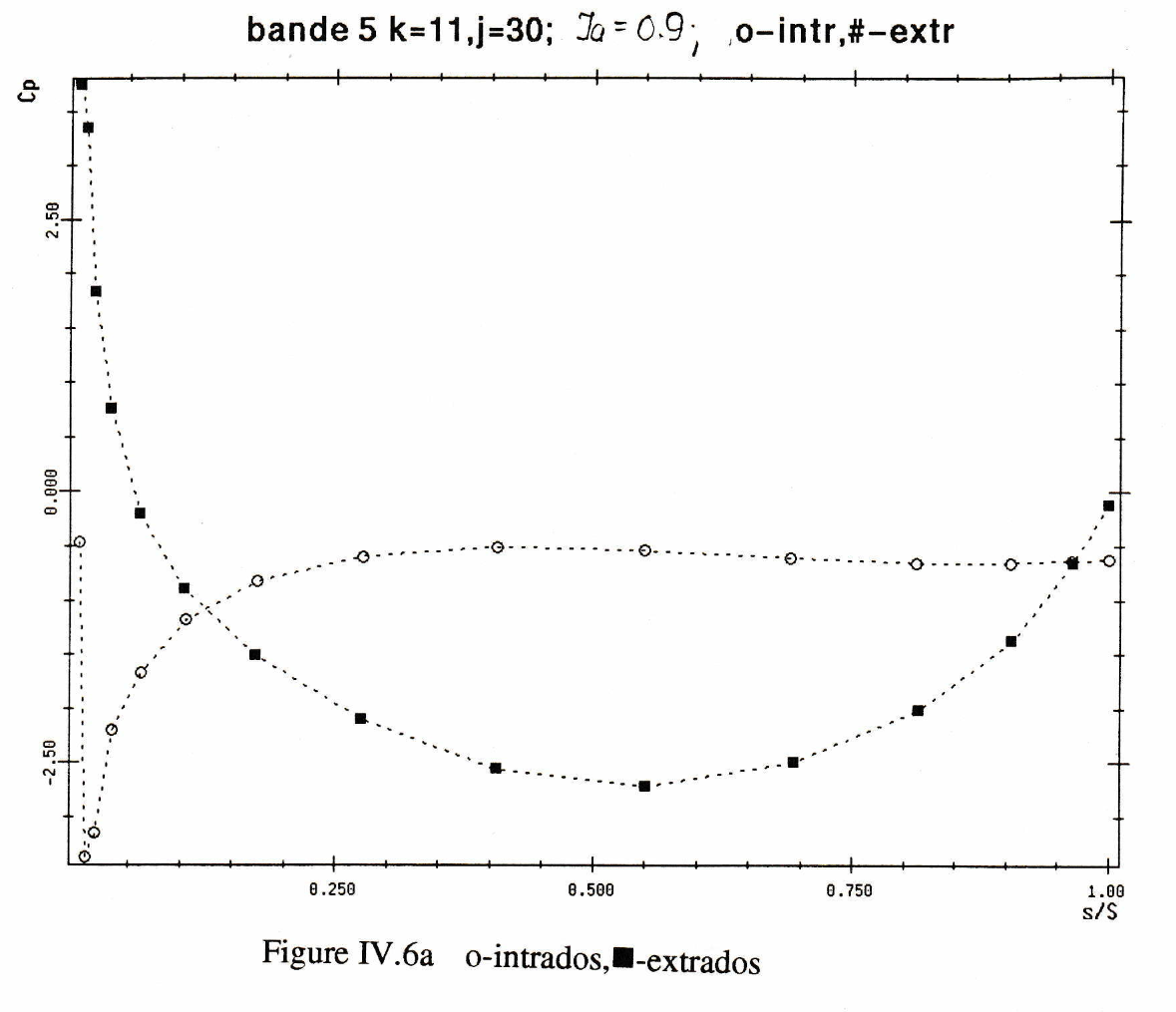
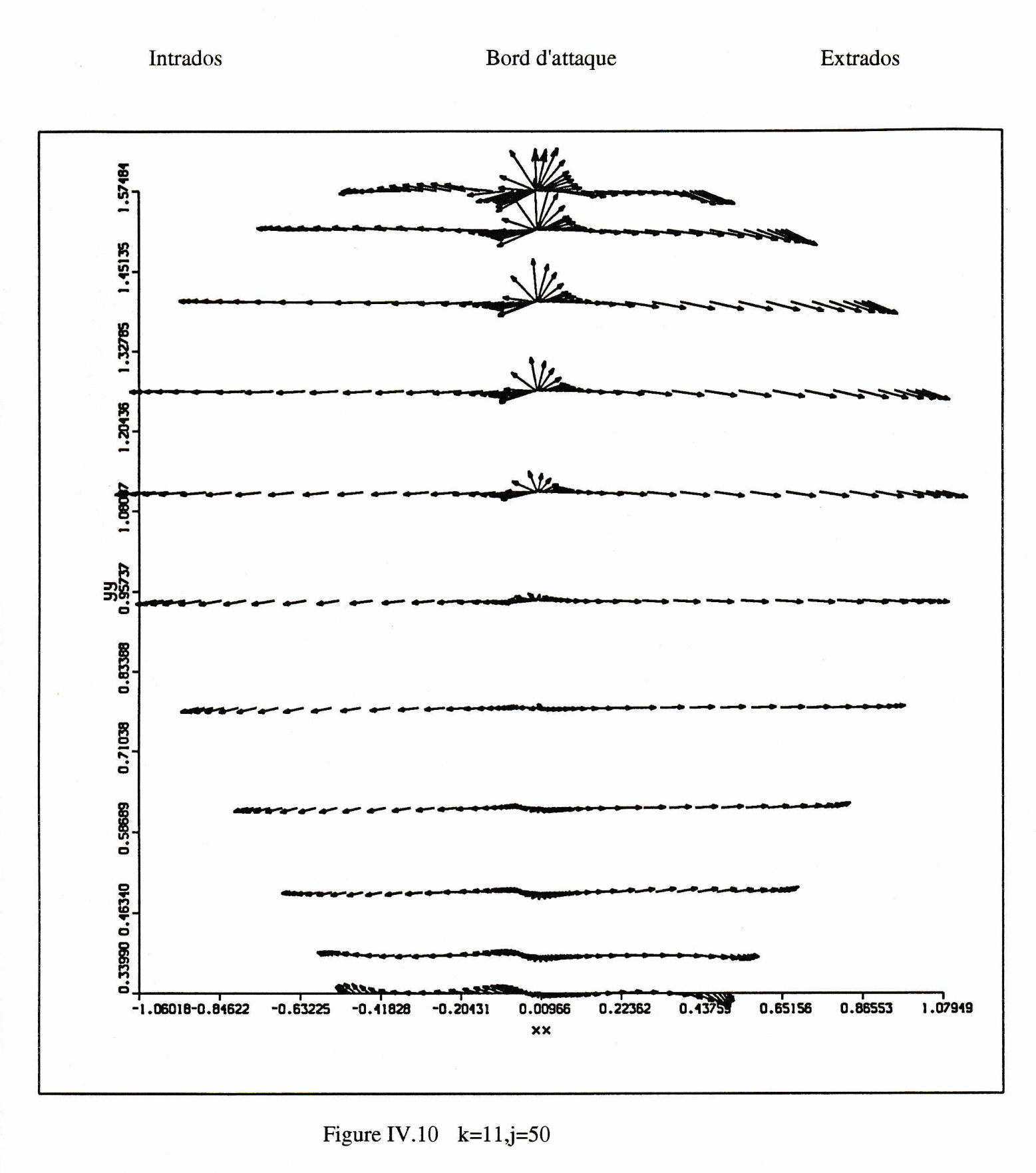
The Marine Propeller software able to design the marine/air propeller for any number of blades and key dimensions (blades number, hub diameter etc.) defined by user. The code describes unsteady cavitated turbulent flow, based on Singularity method for potential flow.
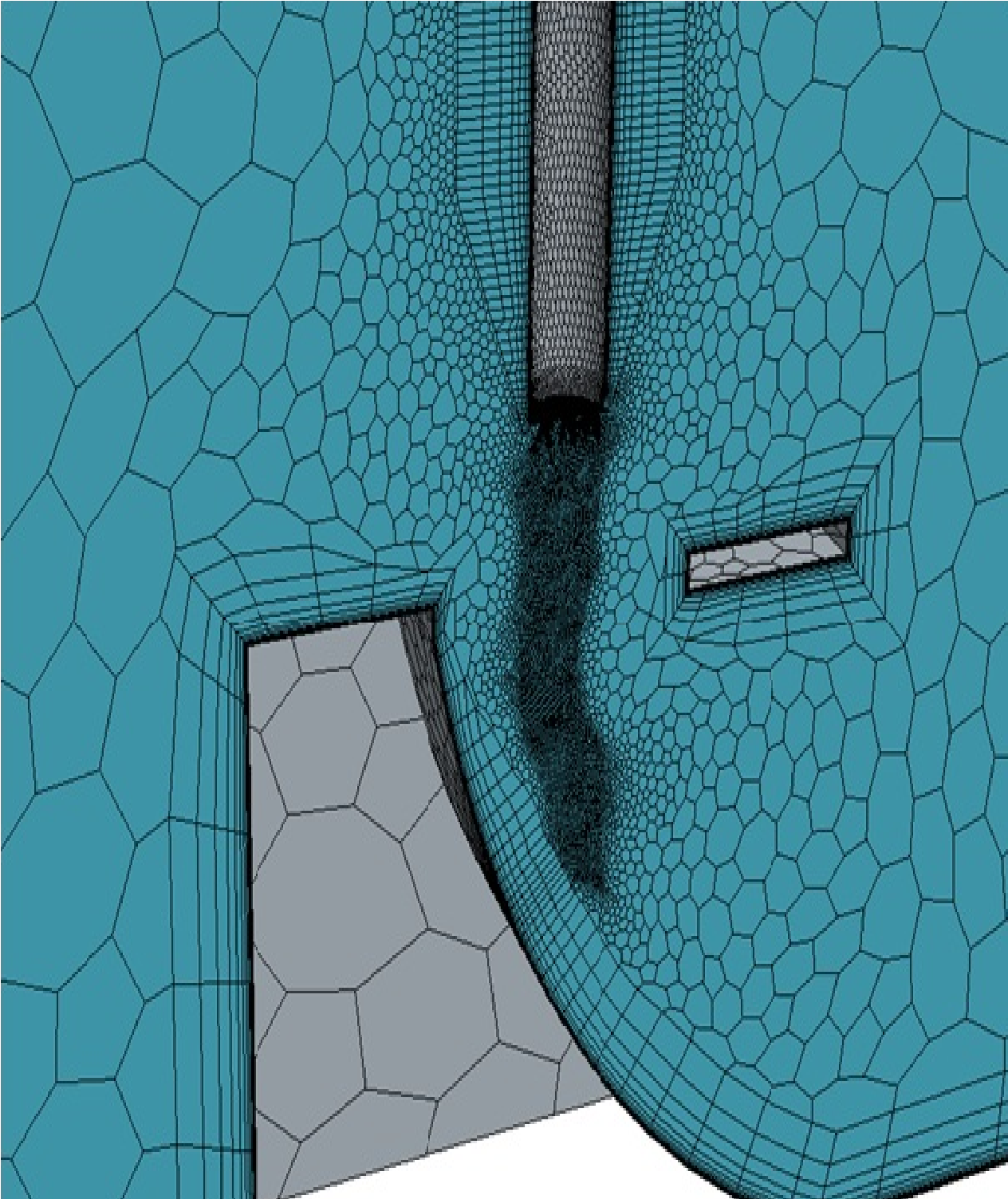
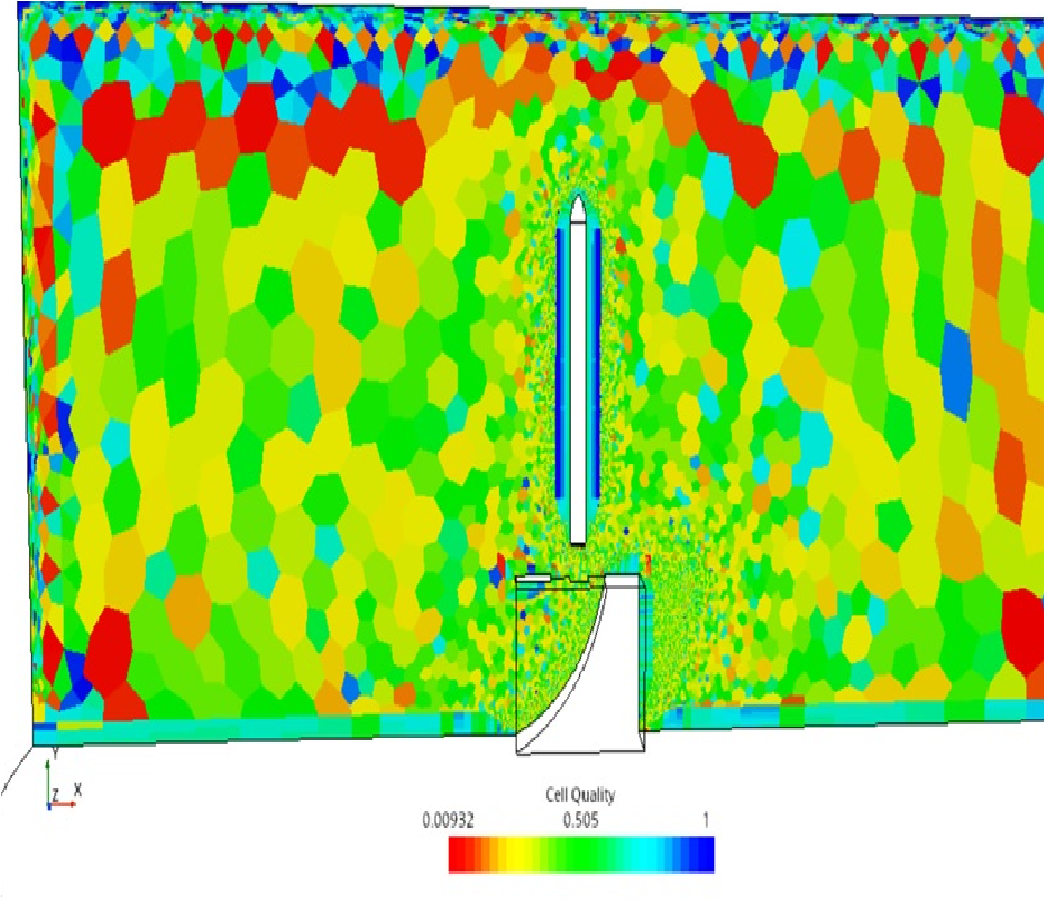
Space Shuttle and Launch Pad Computational Fluid Dynamics Model for Lift-off Debris Transport Analysis proposed by our CFD experts. These models have been used to assess the interactions of the Space Shuttle plumes and the wind environment.
Launch Pad Computational Fluid Dynamics Model
Thermal Protection System (TPS) for space re-usable launchers during planetary re-entry
During planetary re-entry, the severe heat load on the surface material requires the use of a special thermal protection system (TPS), to let the flight vehicle to sustain itself in the environment for a given period. The non-reusable TPSs are typically semi-passive systems which combine re-radiation, ablation and pyrolysis to shield the vehicle.
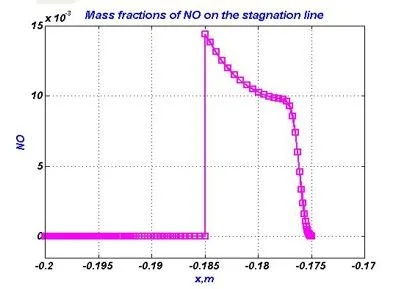
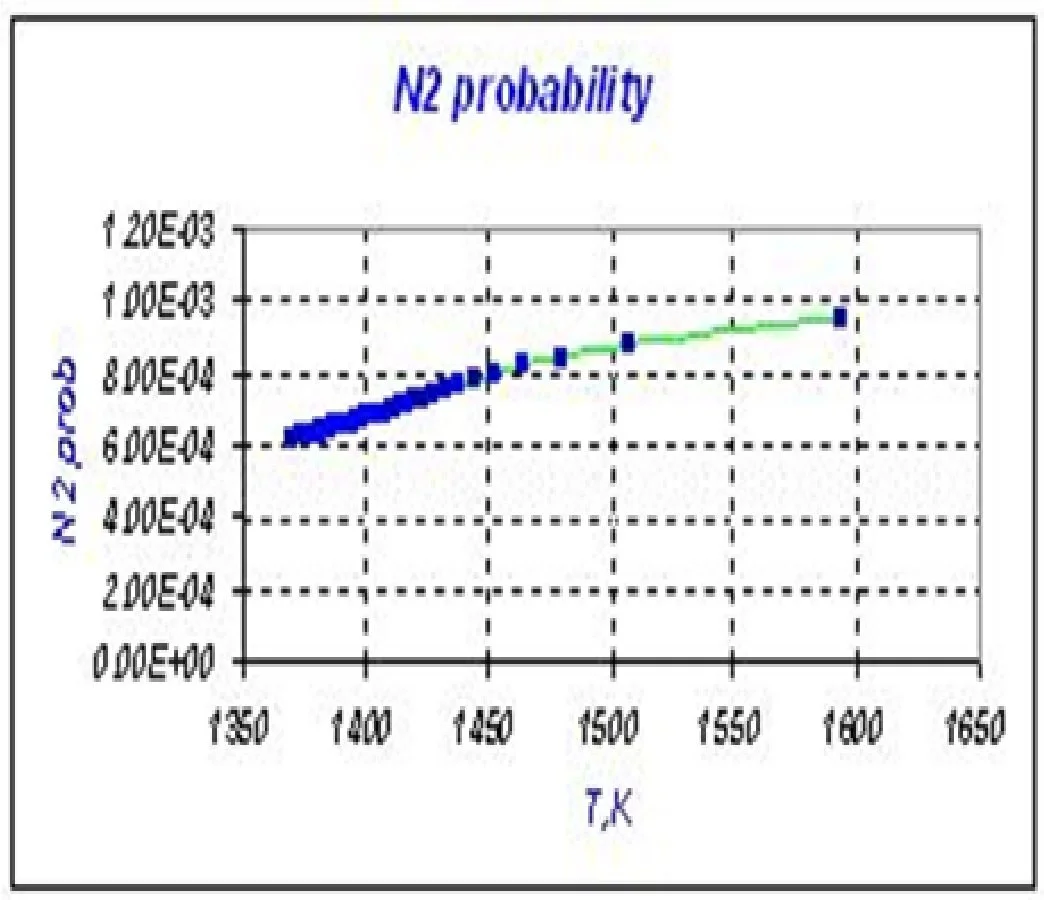
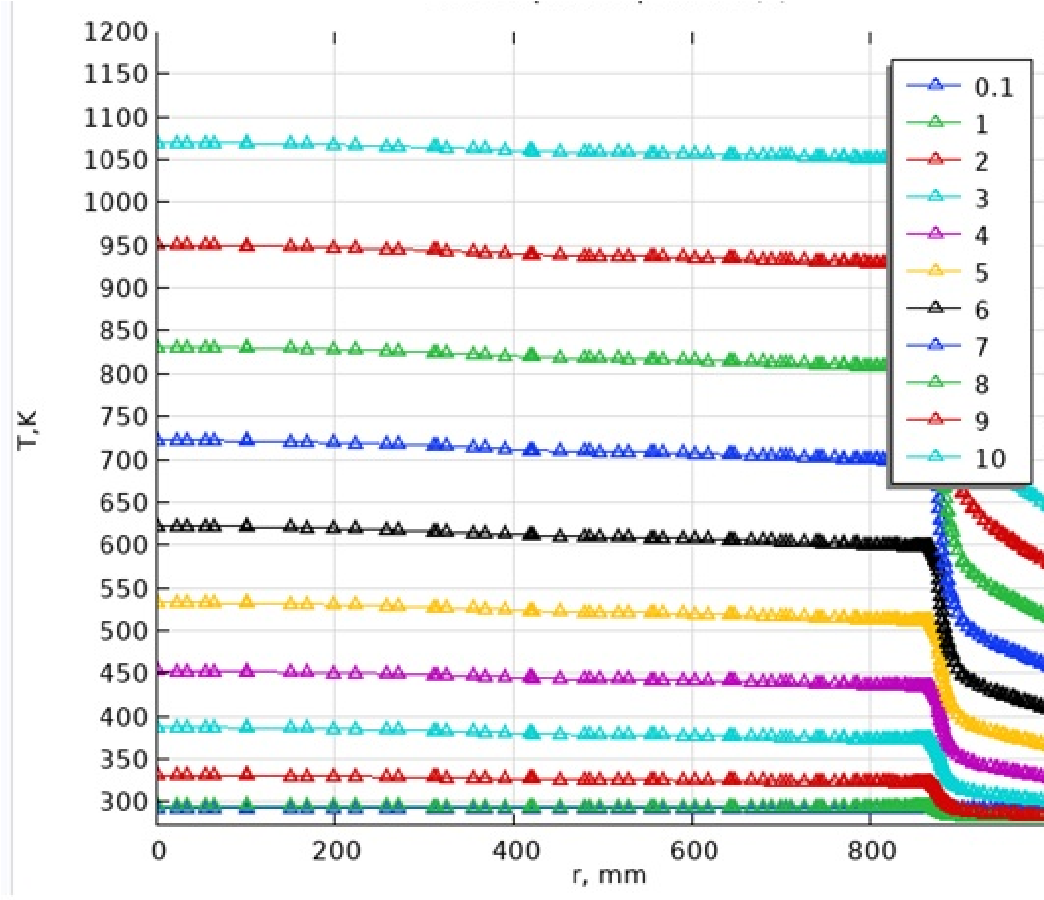
The company propose model devoted to development TPS for space re-usable launchers. Multiphysics coupling for hypersonic reactive flow and thermo-structural analysis with Conjugate Heat Transfer, Conduction, Free Convection and Radiation to simulate Heat Flux from hypersonic flow. The reactive simulations involve an air chemical model of five species: N, N2, NO, O and O2. Seventeen chemical reactions, involving dissociation and recombination probabilities calculation as well as catalysis effect are involved.
The Flow around hypersonic flight vehicles is the interaction of multiple shocks and the interaction of shocks with boundary layers. These interactions can have a very strong impact on the aero-heating experienced by the flight vehicle. Hence, the idea behind the design of a TPS is to give rise to physical-chemical phenomena capable of absorbing part of the heat. In space physics, the energy absorption by removal of material is known as ablation . Therefore, an ablative TPS can be defined as a material able to undergo a degradation, to dissipate part of the thermal energy and preserve the structural integrity. Moreover, ablation products increase the thickness of the boundary layer, limiting the convective heat flux at the surface material and changing the velocity.
We propose unique Multiphysics FSI model of ablation with strong and direct coupling for Mach number ranged from 5 to 65.

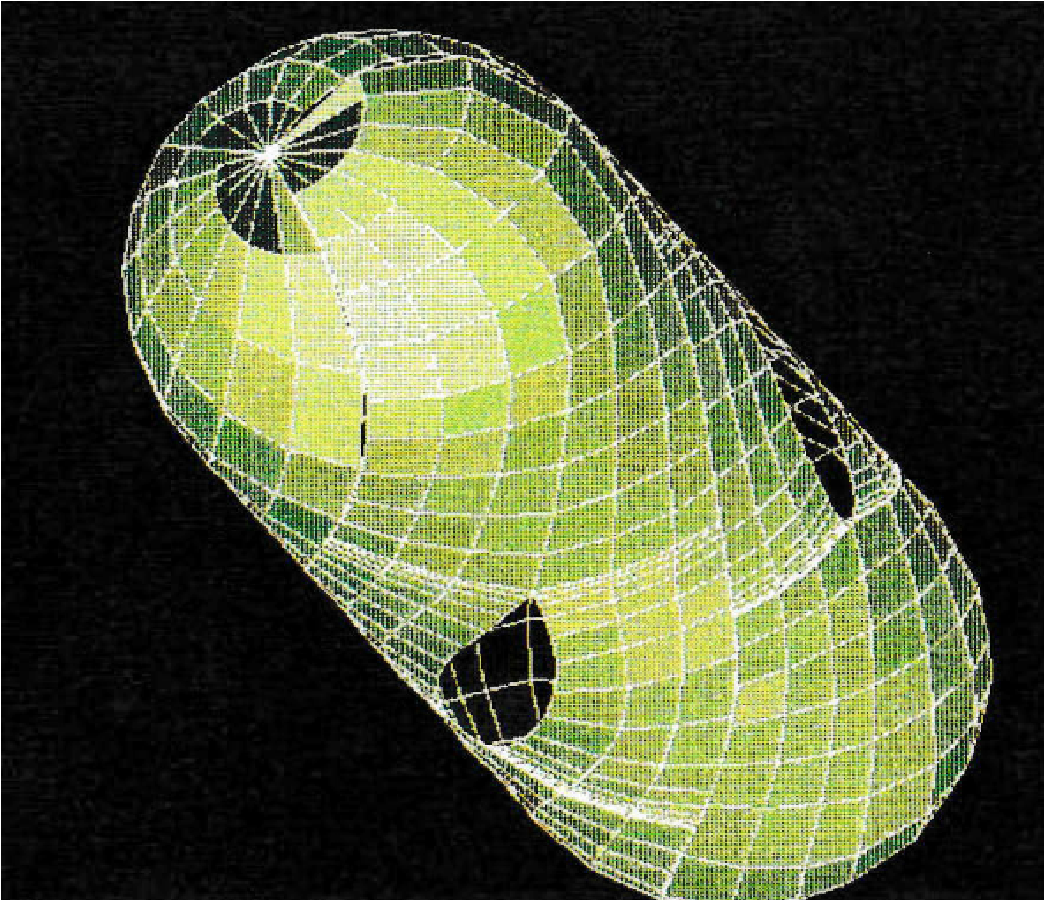
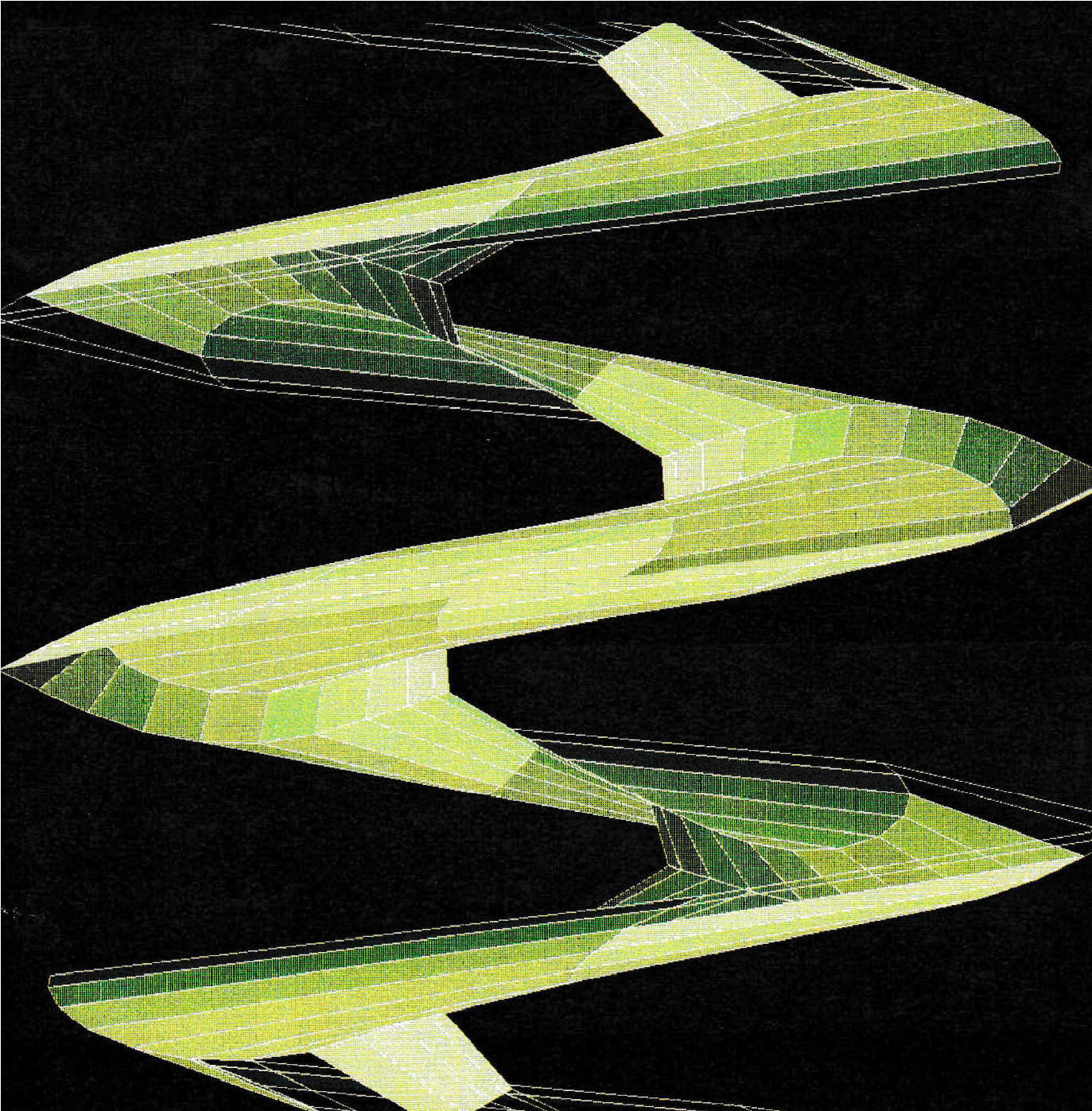
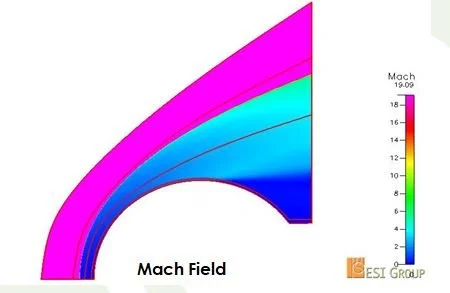
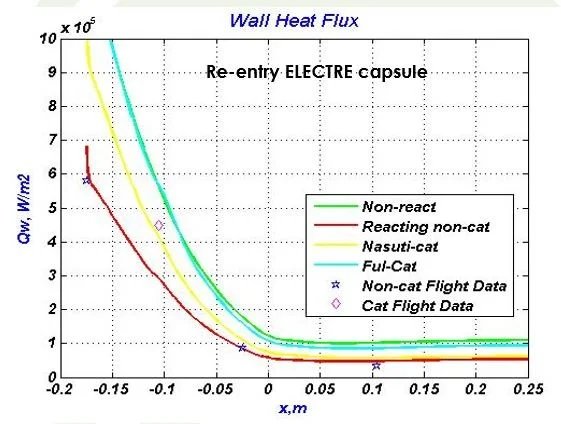
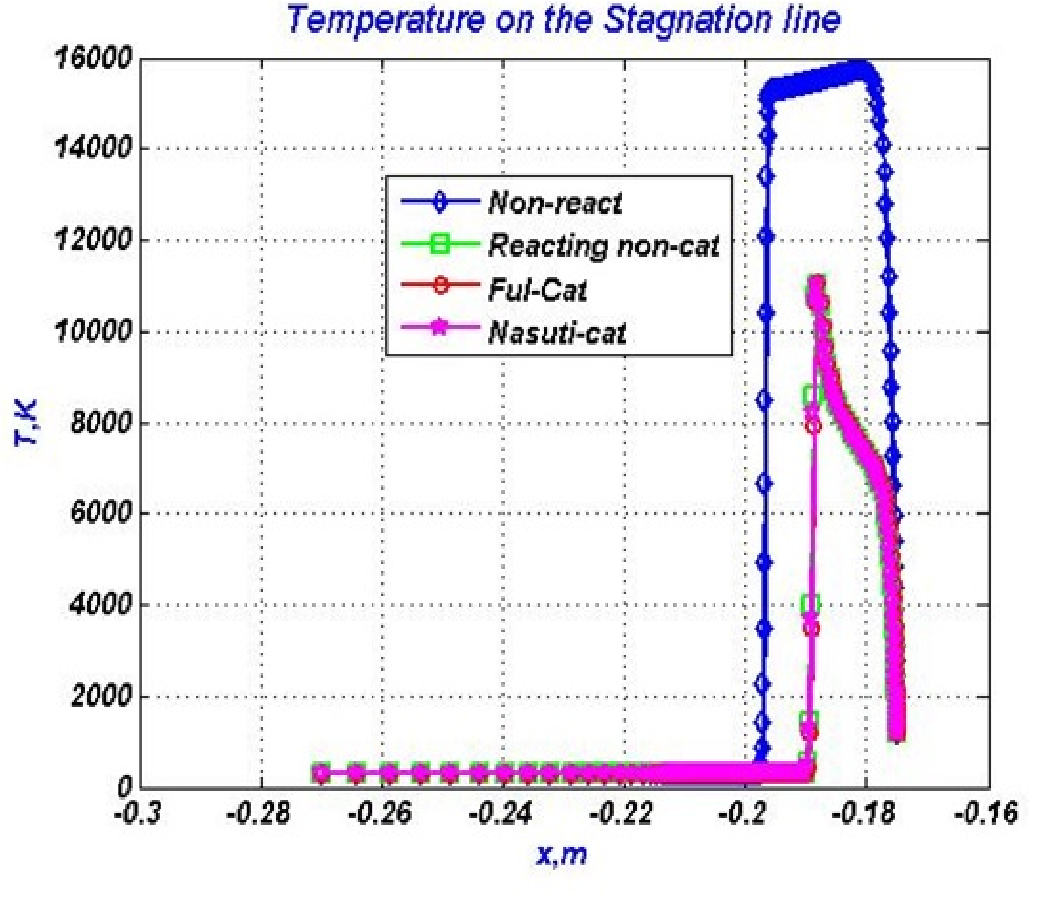
FSI, strong and direct two ways coupling for large deformations
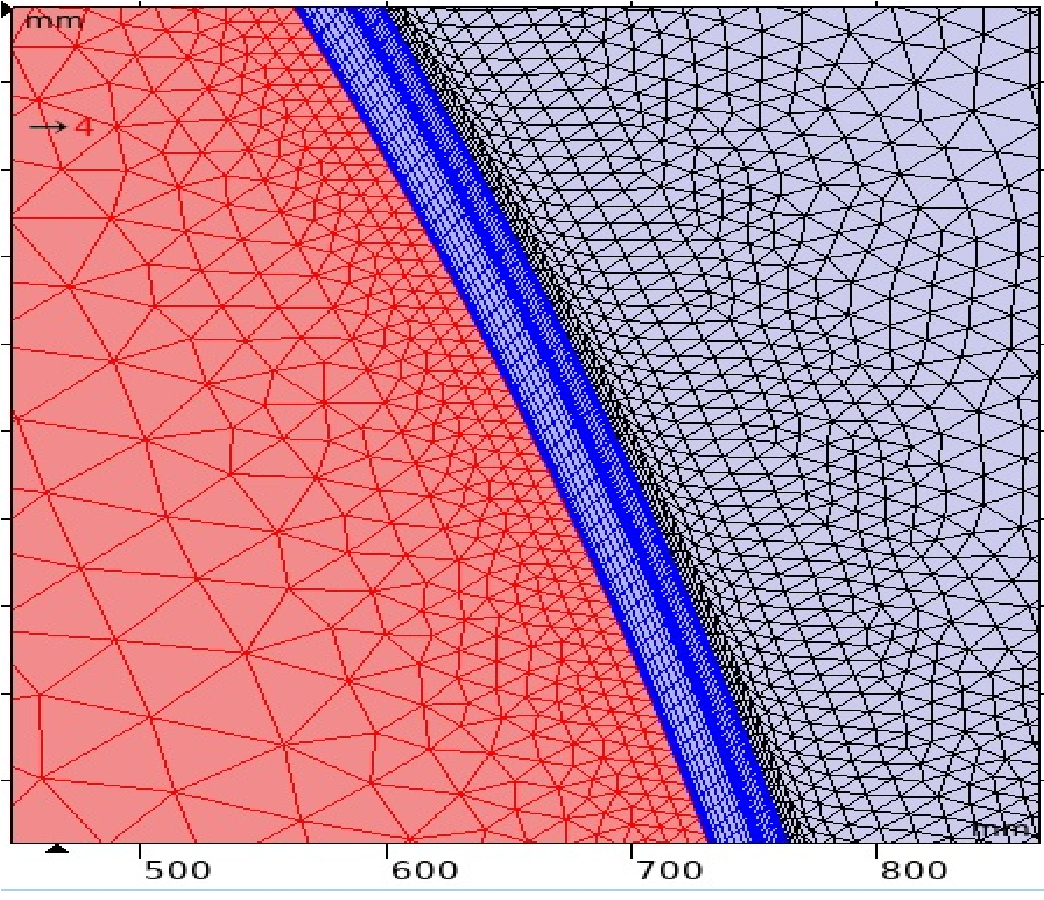
Multiphysics Fluid Structure Interaction model provides a coupled solution for fluid dynamics and solid mechanics, considering thermal effects, electromagnetics, chemical transformations and other complex unsteady flow phenomena.
Unsteady simulation performed using adaptative and deformed meshing for large displacements.
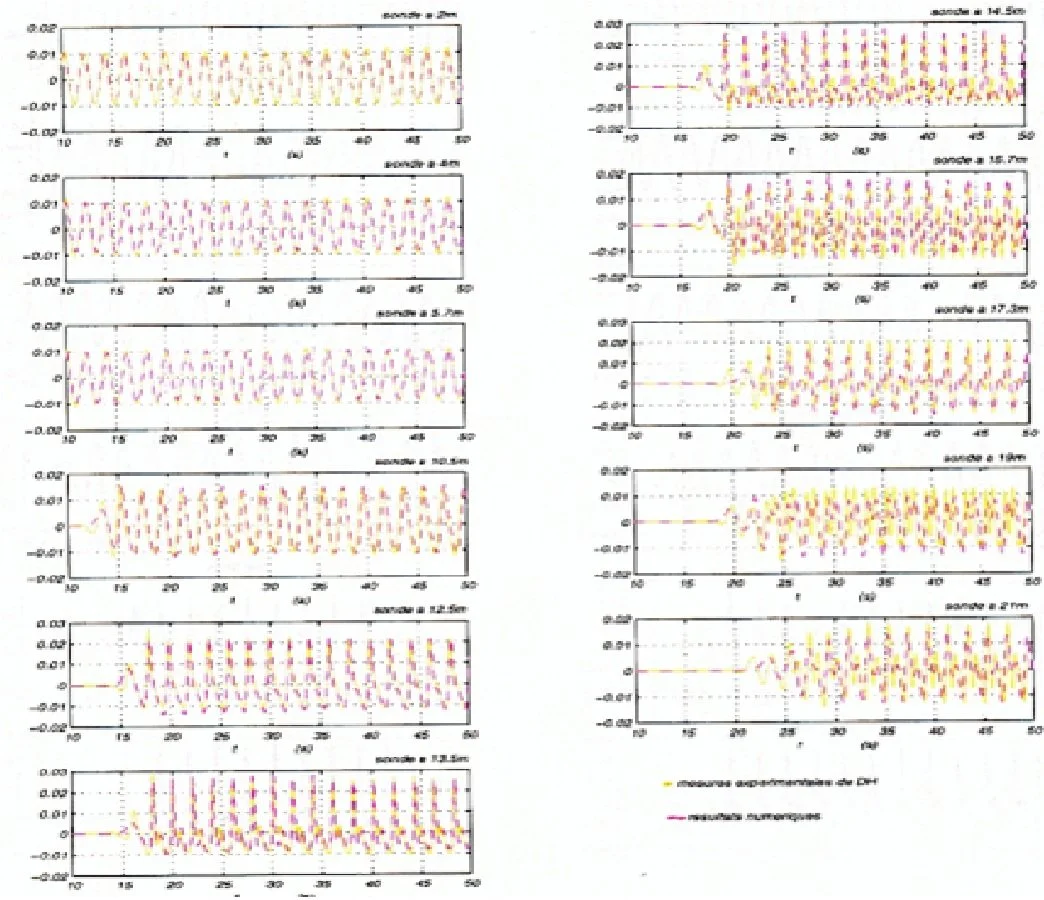
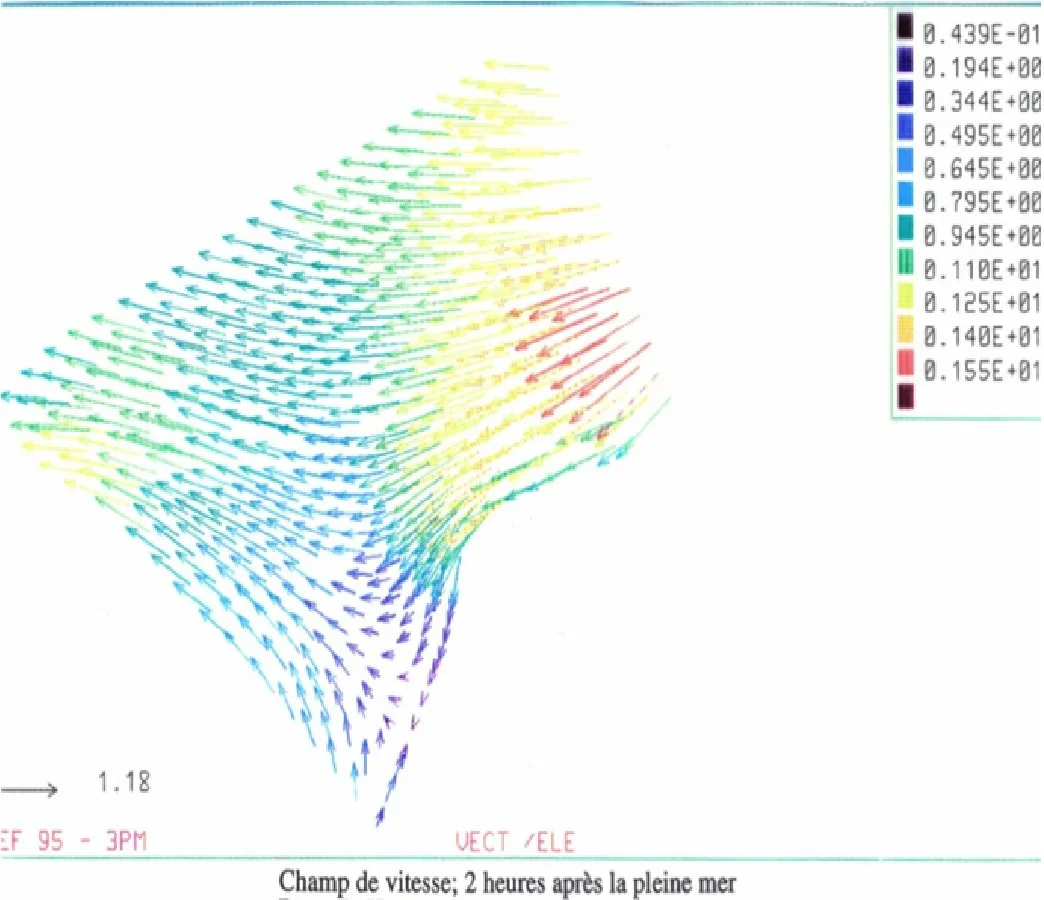
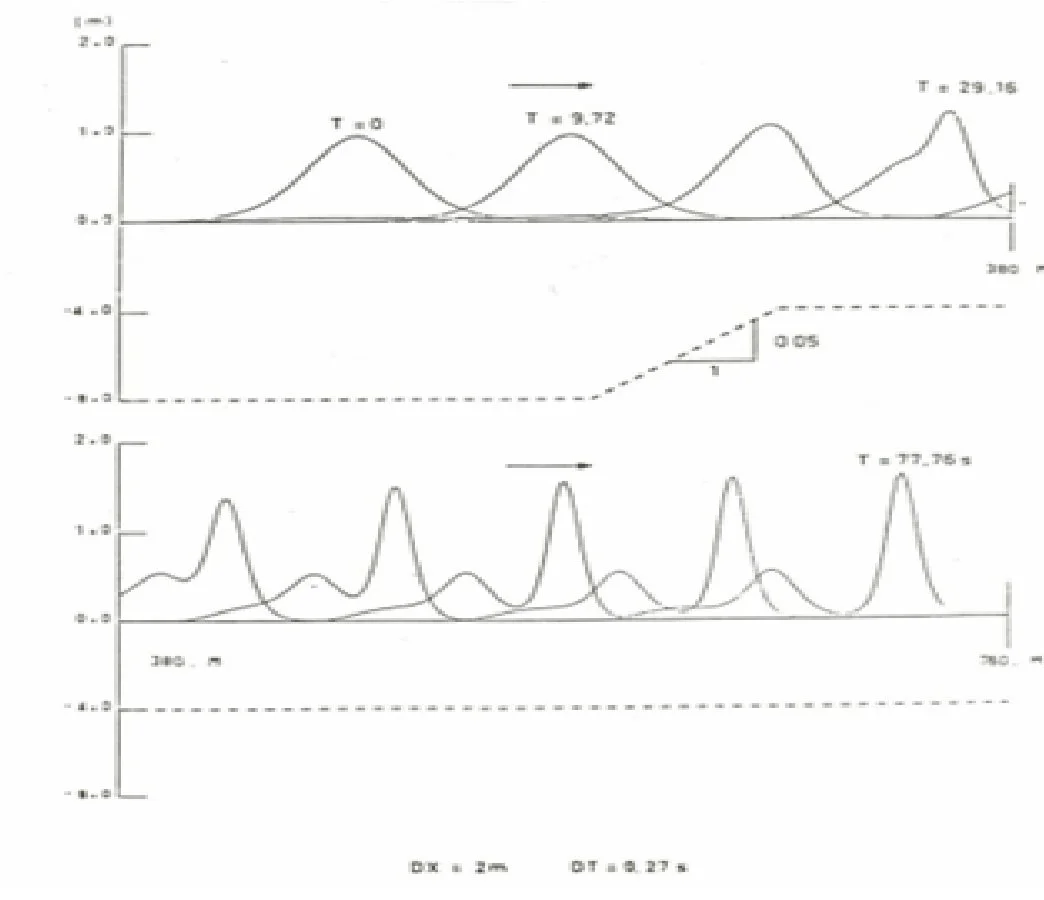
Our Wave LW25 software is able to model physical and dynamical peculiarities in coastal waters, estuaries, and ports, sediments transport, prevent the flood, considering refraction, diffraction, reflection and water wave’s breaking.
Coastal Dynamics
Aerothermal dynamics for Supersonic and hypersonic flights
We propose realistic Multiphysics Fluid Structure Interaction model with thermal conditions for supersonic (1<Mach<5) and hypersonic (Mach>5) for commercial aircraft flights.
Begin Your Consultation
Submit the inquiry form to initiate a confidential discussion and explore how these solutions can advance your strategic priorities.